
Rhapsody in Blue Sheet Music: A Comprehensive Guide (Piano PDF)
Rhapsody in Blue piano solo arrangements in interactive PDF format are readily available online for free display‚ offering transposition options in any desired key.
Resources like Sheet Music Direct provide official arrangements‚ while free-scores.com hosts a PDF version commissioned by Paul Whiteman for a 1924 premiere.
Explore various options‚ including piano and orchestra scores‚ catering to diverse skill levels and musical preferences for this iconic Gershwin composition.

Historical Context of Rhapsody in Blue
Rhapsody in Blue emerged in 1924‚ a pivotal moment in American musical history‚ born from a unique commission by bandleader Paul Whiteman. Whiteman sought a jazz-influenced composition to elevate popular music’s standing within the concert hall‚ aiming to demonstrate its artistic merit.
George Gershwin‚ a rising star blending classical training with jazz sensibilities‚ accepted the challenge. The piece was conceived for Whiteman’s “Experiment in Modern Music” concert‚ held at Aeolian Hall in New York City on February 12‚ 1924. This concert aimed to bridge the gap between high and low culture‚ presenting jazz as a legitimate art form.
The initial sketch was famously composed rapidly on a train journey. Rhapsody in Blue’s premiere was a resounding success‚ captivating audiences with its innovative blend of styles. It quickly became Gershwin’s signature work‚ solidifying his reputation and influencing generations of composers. The availability of piano sheet music soon followed‚ allowing wider access to this groundbreaking composition and fostering its enduring popularity.
The piece reflects the vibrant energy of the Jazz Age and the cultural shifts occurring in 1920s America.
Commissioning and Premiere (1924)
In 1924‚ bandleader Paul Whiteman formally commissioned George Gershwin to compose Rhapsody in Blue for his “Experiment in Modern Music” concert. Whiteman envisioned a work that would showcase the potential of jazz within a symphonic context‚ aiming to elevate its artistic recognition.
Gershwin accepted‚ rapidly composing the piece – legend has it‚ a significant portion was sketched during a train ride. The premiere took place on February 12‚ 1924‚ at Aeolian Hall in New York City. The concert itself was a landmark event‚ attracting a diverse audience eager to witness this musical experiment.
The performance featured Gershwin himself at the piano‚ accompanied by Whiteman’s orchestra. Rhapsody in Blue was met with immediate and enthusiastic acclaim‚ establishing Gershwin as a major composer. Following the successful premiere‚ demand for the piano sheet music surged‚ enabling pianists to learn and perform this innovative work. Early editions facilitated the spread of Gershwin’s unique musical voice.
The initial success paved the way for numerous performances and recordings.
Paul Whiteman’s “Experiment in Modern Music”
Paul Whiteman‚ a prominent bandleader in the 1920s‚ spearheaded an ambitious project titled “An Experiment in Modern Music.” This concert‚ held on February 12‚ 1924‚ at Aeolian Hall‚ aimed to demonstrate the artistic merit of jazz and its potential integration with classical forms.
Whiteman believed jazz‚ often dismissed as popular entertainment‚ deserved serious consideration as a legitimate art form. He commissioned George Gershwin to compose a piece specifically for this event‚ resulting in Rhapsody in Blue. The concert program intentionally juxtaposed jazz arrangements with classical repertoire.
The event’s success significantly boosted the popularity of both Whiteman and Gershwin. Following the premiere‚ the demand for Rhapsody in Blue piano sheet music increased dramatically‚ allowing pianists to explore and perform the innovative composition. Whiteman’s “Experiment” proved pivotal in bridging the gap between popular and classical music‚ influencing subsequent musical developments and the accessibility of Gershwin’s work through readily available scores.
The concert’s impact resonated throughout the music world.

Finding Rhapsody in Blue Sheet Music Online
Rhapsody in Blue piano sheet music is accessible through numerous online platforms‚ offering both free and official arrangements in PDF format for convenient download.
Explore sites like Free-scores.com and Sheet Music Direct to discover various versions tailored to your needs.
Free Sheet Music Sources
Numerous websites offer Rhapsody in Blue sheet music in PDF format at no cost‚ providing accessible options for pianists seeking to learn this iconic piece. Free-scores.com stands out as a prominent resource‚ hosting a version of the score that was originally commissioned by Paul Whiteman; This particular arrangement reflects the work’s premiere in 1924‚ offering a glimpse into its historical context.
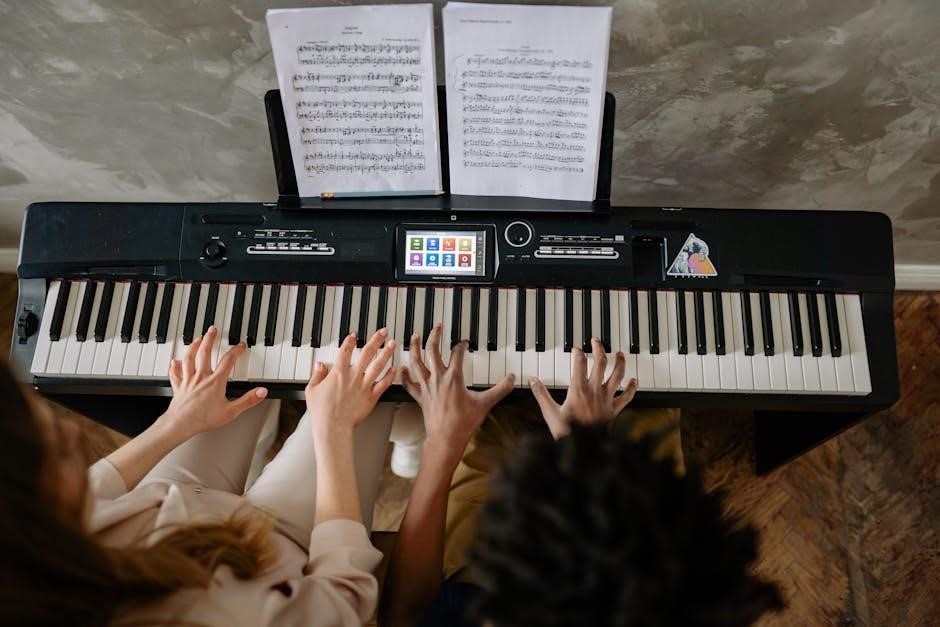
These free sources often provide piano solo arrangements‚ allowing musicians to tackle the piece independently. However‚ it’s crucial to be aware of potential variations in accuracy and completeness compared to official publications. Users can typically view‚ download‚ and even transpose the music to different keys directly on these platforms. While convenient‚ always double-check the transcription for errors and consider supplementing with other resources for a comprehensive learning experience. Remember to respect copyright guidelines when utilizing free sheet music.
Exploring these free options is an excellent starting point for those new to the piece or on a budget‚ but professional arrangements often offer a more polished and reliable experience.
Free-scores.com: Availability and Format
Free-scores.com currently hosts a readily available PDF version of George Gershwin’s Rhapsody in Blue‚ specifically tailored for piano solo performance. This arrangement‚ identified as file number 31021‚ can be freely downloaded as a PDF document‚ alongside options to view it as a text file. The site facilitates easy access for musicians seeking to explore the piece.
The PDF format allows for convenient viewing and printing on standard paper sizes. Users can also utilize PDF reader functionalities like zoom for detailed examination of the score. While the site offers a free display option‚ it’s important to note the arrangement’s origin – it was commissioned by bandleader Paul Whiteman for the historic 1924 premiere.
This version provides a foundational understanding of the composition‚ though it may differ slightly from modern‚ fully orchestrated editions. The availability of both PDF and text file formats caters to diverse user preferences and accessibility needs‚ making it a valuable resource for pianists.
Sheet Music Direct: Official Arrangements

Sheet Music Direct positions itself as a premier destination for acquiring official‚ high-quality sheet music‚ including various arrangements of George Gershwin’s Rhapsody in Blue. Unlike free sources‚ Sheet Music Direct offers legally licensed and professionally prepared scores‚ ensuring accuracy and clarity for performers.
They provide options beyond simple piano solo PDFs‚ encompassing arrangements for piano and orchestra‚ catering to ensembles and more ambitious performances. These official arrangements often include detailed fingerings‚ dynamic markings‚ and articulation suggestions‚ enhancing the learning and performance experience.
Users can download and print sheet music immediately after purchase‚ with options for different print qualities. Sheet Music Direct also supports digital sheet music viewing on tablets and computers. While requiring a purchase‚ the investment guarantees access to reliable‚ professionally-crafted scores‚ ideal for serious pianists and educators seeking the most accurate representation of Gershwin’s masterpiece.

Understanding Different Sheet Music Versions
Rhapsody in Blue sheet music exists in piano solo‚ piano and orchestra formats‚ and interactive PDFs‚ offering varied experiences.
Options cater to solo practice‚ ensemble performance‚ and digital learning preferences for this iconic piece.
Piano Solo Arrangements
Piano solo arrangements of Rhapsody in Blue are exceptionally popular‚ providing pianists with a challenging yet rewarding experience. These versions distill the essence of Gershwin’s masterpiece for solo performance‚ requiring significant technical skill and musicality.
Many free and official sources offer piano solo sheet music in PDF format. Free-scores.com provides a readily accessible PDF version‚ allowing for immediate access and review. However‚ the quality and accuracy can vary with free sources.
For a more reliable and polished experience‚ consider official arrangements available through Sheet Music Direct. These arrangements are typically meticulously transcribed and edited‚ ensuring accuracy and playability. Interactive PDF versions offer features like adjustable tempo‚ looping sections‚ and even playback capabilities‚ enhancing the learning process.
When selecting a piano solo arrangement‚ consider your skill level. Some arrangements are simplified for intermediate players‚ while others retain the full complexity of the original composition‚ suited for advanced pianists. Carefully evaluate the arrangement before committing to ensure it aligns with your capabilities and musical goals.
Piano and Orchestra Scores
Piano and orchestra scores of Rhapsody in Blue represent the complete and authentic rendition of Gershwin’s iconic work. These scores include both the solo piano part and the full orchestral arrangement‚ offering a comprehensive musical experience.
Finding PDF versions of these scores can be more challenging than locating piano solo arrangements. While some free resources may offer excerpts or incomplete versions‚ obtaining a complete‚ legally sourced PDF often requires a purchase.
Sheet Music Direct is a reliable source for official piano and orchestra scores in PDF format. These arrangements are professionally prepared and ensure accuracy‚ crucial for performances with an orchestra. The availability of individual parts for each orchestral instrument is also a significant benefit.
Performing Rhapsody in Blue with an orchestra demands a high level of musicianship from both the pianist and the ensemble. The score requires careful coordination and a deep understanding of the interplay between the piano and orchestral textures. Access to a clear and accurate PDF score is paramount for a successful performance.
Interactive PDF Sheet Music
Interactive PDF sheet music for Rhapsody in Blue offers a modern approach to learning and performing this classic piece. These PDFs go beyond static images‚ incorporating features that enhance the musical experience.
Key functionalities include adjustable tempo controls‚ allowing pianists to practice at a comfortable pace. Some interactive PDFs also offer the ability to loop specific sections‚ ideal for mastering challenging passages. Furthermore‚ many allow for annotation – marking fingerings‚ dynamics‚ or other performance notes directly onto the score.
The availability of interactive PDFs varies across platforms. While free-scores.com provides a basic PDF‚ more advanced interactive features are typically found on platforms like Sheet Music Direct‚ often as part of a subscription or individual purchase.
These interactive features are particularly beneficial for students and self-learners‚ providing tools for independent practice and musical interpretation. They bridge the gap between traditional sheet music and modern digital learning methods‚ making Rhapsody in Blue more accessible.

Navigating PDF Sheet Music
PDFs for Rhapsody in Blue offer zoom‚ print‚ and annotation features for convenient study. Utilize PDF editors to transpose keys‚ ensuring comfortable practice and performance.
Always respect copyright and usage rights when accessing and utilizing these digital scores.
PDF Features: Zoom‚ Print‚ and Annotations
PDF sheet music for Rhapsody in Blue provides several practical features for pianists. Zoom functionality allows for detailed examination of complex passages‚ crucial given the piece’s technical demands. Adjusting the magnification ensures readability‚ regardless of screen size or visual acuity.
The print option enables creation of a physical copy for practice away from a digital device‚ facilitating focused study without distractions. Annotations are incredibly valuable; pianists can mark fingerings‚ dynamics‚ and phrasing directly onto the PDF.
Highlighting challenging sections or adding reminders about specific techniques enhances learning and memorization. Many PDF readers support adding text boxes for personalized notes. These features transform a static score into an interactive learning tool‚ maximizing the benefits of the Rhapsody in Blue piano PDF.
Experiment with different PDF viewers to find one that best suits your workflow and annotation preferences.
Transposing Keys in PDF Editors
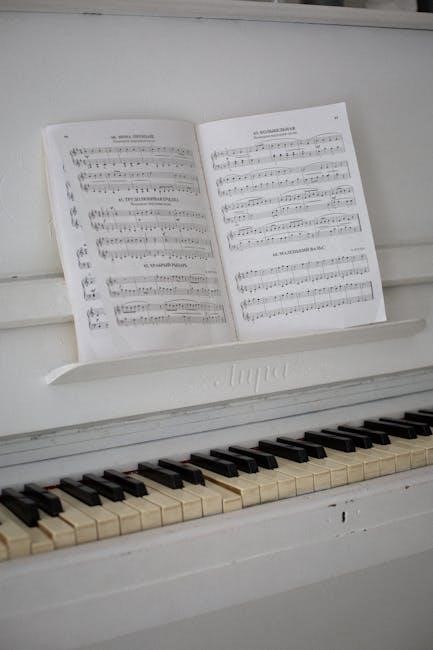
Rhapsody in Blue sheet music‚ often available as a PDF‚ can be transposed using dedicated PDF editing software. This is particularly useful for pianists who prefer playing in keys better suited to their vocal range or instrument’s characteristics.
Several PDF editors offer transposition features‚ allowing you to shift the entire piece up or down by semitones. While some free online tools exist‚ they may have limitations or compromise the sheet music’s formatting. Professional software generally provides more accurate and reliable transposition.
Be mindful that transposing alters the original harmonic context‚ potentially impacting the piece’s intended sound. Always double-check the transposed score for errors and ensure readability. Consider the implications for accidentals and complex chord voicings.
Utilizing this feature allows for greater accessibility and personalization of the Rhapsody in Blue piano PDF‚ adapting it to individual needs and preferences.
Understanding Copyright and Usage Rights
When accessing Rhapsody in Blue sheet music in PDF format‚ understanding copyright and usage rights is crucial. George Gershwin’s work‚ though in the public domain in some regions‚ often has arrangements subject to copyright.
Free sheet music sources like free-scores.com generally offer material with permissible usage‚ but always verify the specific license. Official arrangements from Sheet Music Direct require purchase and are governed by their terms of use‚ typically restricting unauthorized distribution.
Using sheet music for personal practice is usually acceptable‚ but performing publicly or creating derivative works may necessitate obtaining performance licenses or permissions from copyright holders.
Be cautious of illegally distributed PDFs‚ as they violate copyright laws and may contain inaccuracies. Respecting intellectual property ensures continued access to quality arrangements and supports composers and publishers.
Always check the source’s terms before using any Rhapsody in Blue piano PDF.

Technical Aspects of Playing Rhapsody in Blue
Rhapsody in Blue presents an intermediate to advanced challenge for pianists‚ demanding proficiency in varied key signatures and time signatures.
Navigating the PDF sheet music requires strong technique and jazz-influenced phrasing for an authentic interpretation.
Difficulty Level: Intermediate to Advanced
Rhapsody in Blue‚ even in its piano solo PDF arrangements‚ is widely considered to be a piece of intermediate to advanced difficulty. While a determined beginner might attempt sections‚ mastering the entire work requires significant piano experience and technical skill.
The piece’s challenges stem from several factors. Firstly‚ the rapid and complex passages demand dexterity and finger independence. Secondly‚ the incorporation of jazz idioms – glissandos‚ blue notes‚ and syncopation – requires a nuanced understanding of rhythmic feel and stylistic interpretation.
Furthermore‚ the dynamic range is extensive‚ requiring precise control and expressive playing. Successfully performing Rhapsody in Blue necessitates not only accurate note reading from the PDF sheet music but also a strong musicality and the ability to convey the piece’s emotional depth. Players should be comfortable with a variety of techniques and possess a solid foundation in both classical and jazz piano styles to truly bring Gershwin’s masterpiece to life.
Key Signatures and Time Signatures
Analyzing the Rhapsody in Blue PDF sheet music reveals a fascinating interplay of key signatures and time signatures‚ contributing to its unique character. The piece begins in B♭ major‚ but quickly modulates through a variety of keys‚ creating a sense of harmonic exploration and unpredictability. Frequent shifts are common‚ demanding adaptability from the pianist.
Initially‚ the work features a prominent use of the B♭ major key‚ establishing a foundational tonal center. However‚ Gershwin masterfully incorporates sections in contrasting keys‚ such as E♭ minor and F♯ minor‚ adding color and dramatic effect.
Regarding time signatures‚ Rhapsody in Blue is primarily written in 3/4 time‚ lending it a waltz-like feel. However‚ Gershwin frequently introduces variations‚ including sections in 4/4 and even more complex rhythmic groupings‚ reflecting the jazz influence and adding rhythmic vitality. Navigating these changes accurately is crucial when interpreting the PDF score.
Common Challenges for Pianists
Interpreting the Rhapsody in Blue PDF presents several challenges for pianists‚ demanding both technical proficiency and musical sensitivity. The piece’s wide dynamic range‚ from delicate passages to powerful climaxes‚ requires precise control and voicing. Maintaining clarity amidst the complex textures is also crucial.
The frequent key changes and modulations‚ as noted in the sheet music‚ necessitate a strong harmonic understanding and quick adaptation skills. Furthermore‚ the jazz-influenced sections demand rhythmic flexibility and an ability to improvise within the framework of the score.
The demanding technical passages‚ including rapid scales‚ arpeggios‚ and glissandos‚ require significant practice and dexterity. Successfully navigating these sections while maintaining musicality is a key hurdle. Finally‚ capturing the emotional depth and narrative arc of the piece‚ beyond just playing the notes in the PDF‚ is perhaps the greatest challenge of all.

Related Resources and Further Exploration
George Gershwin’s biography illuminates the context of Rhapsody in Blue‚ while exploring jazz’s influence on classical music deepens appreciation.
Discovering other Gershwin compositions expands your musical journey beyond this iconic piano PDF.
George Gershwin’s Biography
George Gershwin (1898-1937) was an American composer and pianist‚ a pivotal figure bridging popular and classical music. Born in Brooklyn‚ New York‚ he initially pursued a career in Tin Pan Alley‚ honing his skills as a song plugger before dedicating himself to composition.
His unique style blended jazz rhythms and harmonies with classical forms‚ resulting in works like Rhapsody in Blue and Porgy and Bess. Commissioned by bandleader Paul Whiteman in 1924‚ Rhapsody in Blue premiered as part of “An Experiment in Modern Music‚” instantly establishing Gershwin’s reputation.
Gershwin’s ability to capture the energy of the Jazz Age‚ combined with his formal musical training‚ allowed him to create distinctly American compositions. He wasn’t formally trained in the traditional classical sense‚ but his innate musicality and innovative spirit propelled him to international acclaim. Understanding his life and influences provides valuable context when approaching his piano sheet music‚ including PDF versions‚ and appreciating the groundbreaking nature of his work.
His legacy continues to inspire musicians and audiences worldwide.
The Influence of Jazz on Classical Music
Jazz profoundly impacted 20th-century classical music‚ and Rhapsody in Blue stands as a prime example of this fusion. Before Gershwin‚ classical composers largely avoided incorporating jazz elements‚ viewing it as vernacular or “low” art. Gershwin‚ however‚ boldly integrated jazz harmonies‚ rhythms‚ and improvisational spirit into a concert hall setting.
The piece’s opening clarinet glissando‚ bluesy melodies‚ and syncopated rhythms were revolutionary for their time. This integration wasn’t merely superficial; Gershwin skillfully wove jazz idioms into the formal structure of a classical rhapsody.
The availability of Rhapsody in Blue sheet music‚ particularly in PDF format‚ allows pianists to study and perform this landmark work‚ experiencing firsthand how jazz influenced classical composition. It paved the way for other composers to explore similar fusions‚ broadening the definition of “classical” music and enriching the musical landscape. The piece’s enduring popularity demonstrates the lasting power of this cross-genre pollination.
It remains a cornerstone of American musical identity.
Exploring Other Gershwin Compositions
Beyond Rhapsody in Blue‚ George Gershwin’s catalog offers a wealth of captivating piano works. Accessing sheet music in PDF format unlocks a journey through his diverse compositional style. Consider “Concerto in F‚” a full-scale piano concerto showcasing his blend of classical structure and jazz-infused melodies.
“An American in Paris” provides another vibrant example‚ originally composed for orchestra but frequently adapted for solo piano. His songbook‚ including classics like “I Got Rhythm” and “Summertime” (from Porgy and Bess)‚ are also readily available in piano arrangements.
Exploring these pieces alongside Rhapsody in Blue reveals the evolution of Gershwin’s musical voice and his consistent exploration of American musical themes. Many online resources‚ like Sheet Music Direct‚ offer official arrangements‚ while free-scores.com provides accessible options. Delving into his complete works offers a richer understanding of his genius and lasting legacy.
Discovering these compositions expands your pianistic repertoire and appreciation for American music.